|
||
  |
||
|
|

Active Hydrogen
Adrenal Extracts
Alanine
Alpha-Linolenic Acid
Alpha-Lipoic Acid
AMP
Amylase Inhibitors
Arginine
Bee Pollen
Beta Carotene
Beta-glucan
Betaine
Beta-Sitosterol
Biotin
Borage Oil
Boron
Bovine Cartilage
Bovine Colostrum
Brewer's Yeast
Bromelain
Calcium
Capsaicin
Carnitine
Carnosine
Chitosan
Chloride
Chlorophyll
Chondroitin
Chromium
CLA
Cobalt
Coenzyme Q10
Copper
Creatine
Cysteine
DHA
DHEA
DMAE
EGCG
Evening Primrose Oil
5-HTP
Fiber (Insoluble)
Fiber (Soluble)
Fish Oil
Flavonoids
Fluoride
Folate
Fumaric Acid
GABA
Gamma-Linolenic Acid
Glucomannan
Glucosamine
Glutamic Acid
Glutamine
Glutathione
Glycine
Grape Seed Extract
Histidine
HMB
Hydroxycitric Acid
Indole
Inosine
Inositol
Iodine
Ipriflavone
Iron
Isoleucine
Lactase
Lecithin
Leucine
Lipase
Lutein
Lycopene
Lysine
Magnesium
Malic Acid
Manganese
Mannose
Melatonin
Methionine
Methoxyisoflavone
Molybdenum
MSM
N-Acetyl Cysteine
NADH
Naringin
Niacin
Octacosanol
Oligosaccharides
Olive Leaf Extract
Ornithine
Oryzanol
PABA
Pancreatic Enzymes
Pantothenic Acid
Phenylalanine
Phosphatidylserine
Phosphorus
Phytic Acid
Policosanol
Potassium
Pregnenolone
Probiotics
Propolis
Psyllium
Pyridoxine
Pyruvate
Quercetin
Resveratrol
Retinol
Riboflavin
Ribose
Royal Jelly
SAMe
Selenium
Shark Cartilage
Silicon
Sodium
Spirulina
Spleen Extracts
St. John's Wort
Strontium
Sulforaphane
Sulfur
Taurine
Thiamine
Tocopherol
Tea Tree Oil
Tyrosine
Usnic Acid
Valine
Vanadium
Vinpocetine
Vitamin A
Vitamin B1
Vitamin B2
Vitamin B3
Vitamin B5
Vitamin B6
Vitamin B9
Vitamin B12
Vitamin C
Vitamin D
Vitamin H
Vitamin K
Whey Protein
Xylitol
Zinc


Abalone Shell (shi jue ming)
Abutilon Seed (dong kui zi) Acanthopanax Bark (wu jia pi) Achyranthes (niu xi) Aconite (fu zi) Acorus (shi chang pu) Adenophora Root (nan sha shen) Agkistrodon (bai hua she) Agrimony (xian he cao) Ailanthus Bark (chun pi) Akebia Fruit (ba yue zha) Albizzia Bark (he huan pi) Albizzia Flower (he huan hua) Alfalfa (medicago sativa) Alisma (ze xie) Aloe (lu hui) Alum (bai fan) Amber (hu po) Ampelopsis (bai lian) Andrographis (chuan xin lian) Anemarrhena (zhi mu) Antelope's Horn (ling yang jiao) Apricot Seed (xing ren) Areca Peel (da fu pi) Areca Seed (bing lang) Arisaema (tian nan xing) Ark Shell (wa leng zi) Arnebia (zi cao or ying zi cao) Arnica (arnica montana) Artichoke Leaves (Cynara scolymus) Ash bark (qin pi) Ashwagandha (withania somniferum) Aster (zi wan) Astragalus (huang qi) Aurantium (zhi ke [qiao]) Bamboo Juice (zhu li) Bamboo Shavings (zhu ru) Belamcanda Rhizome (she gan) Benincasa Peel (dong gua pi) Benincasa Seed (dong gua xi/ren) Benzoin (an xi xiang) Bilberry (yue ju) Biota Leaf (ce bai ye) Biota Seed (bai zi ren) Bitter Melon (ku gua) Bitter Orange Peel (ju hong) Black Cohosh (sheng ma) Black Plum (wu mei) Black Sesame Seed (hei zhi ma) Bletilla (bai ji) Boneset (ze lan) Borax (peng sha) Borneol (bing pian) Bottle Brush (mu zei) Buddleia (mi meng hua) Buffalo Horn (shui niu jiao) Bulrush (pu huang) Bupleurum (chai hu) Burdock (niu bang zi) Camphor (zhang nao) Capillaris (yin chen hao) Cardamon Seed (sha ren) Carpesium (he shi) Cassia Seed (jue ming zi) Catechu (er cha) Cat's Claw (uncaria tomentosa) Cephalanoplos (xiao ji) Celosia Seed (qing xiang zi) Centipede (wu gong) Chaenomeles Fruit(mu gua) Chalcanthite (dan fan) Chebula Fruit (he zi) Chinese Gall (wu bei zi) Chinese Raspberry (fu pen zi) Chrysanthemum (ju hua) Cibotium (gou ji) Cinnabar (zhu sha) Cinnamon (rou gui or gui zhi) Cistanche (rou cong rong) Citron (xiang yuan) Citrus Peel (chen pi) Clam Shell (hai ge ke/qiao) Clematis (wei ling xian) Cloves (ding xiang) Cnidium Seed (she chuang zi) Codonopsis (dang shen) Coix Seed (yi yi ren) Coptis (huang lian) Cordyceps (dong chong) Coriander (hu sui) Corn Silk (yu mi xu) Cornus (shan zhu yu) Corydalis (yan hu suo) Costus (mu xiang) Cranberry (vaccinium macrocarpon) Cremastra (shan ci gu) Croton Seed (ba dou) Curculigo (xian mao) Cuscuta (tu si zi) Cuttlefish Bone (hai piao xiao) Cymbopogon (xiang mao) Cynanchum (bai qian) Cynomorium (suo yang) Cyperus (xiang fu) Dalbergia (jiang xiang) Damiana (turnera diffusa) Dandelion (pu gong ying) Deer Antler (lu rong) Dendrobium (shi hu) Devil's Claw (harpagophytum procumbens) Dianthus (qu mai) Dichroa Root (chang shan) Dittany Bark (bai xian pi) Dong Quai (tang kuei) Dragon Bone (long gu) Dragon's Blood (xue jie) Drynaria (gu sui bu) Dryopteris (guan zhong) Earthworm (di long) Eclipta (han lian cao) Elder (sambucus nigra or sambucus canadensis) Elsholtzia (xiang ru) Ephedra (ma huang) Epimedium (yin yang huo) Erythrina Bark (hai tong pi) Eucalyptus (eucalyptus globulus) Eucommia Bark (du zhong) Eupatorium (pei lan) Euphorbia Root (gan sui or kan sui) Euryale Seed (qian shi) Evodia (wu zhu yu) Fennel (xiao hui xiang) Fenugreek (hu lu ba) Fermented Soybeans (dan dou chi) Flaxseed (ya ma zi) Fo Ti (he shou wu) Forsythia (lian qiao) Frankincense (ru xiang) Fritillaria (chuan bei mu) Gadfly (meng chong) Galanga (gao liang jiang) Galena (mi tuo seng) Gambir (gou teng) Gardenia (zhi zi) Garlic (da suan) Gastrodia (tian ma) Gecko (ge jie) Gelatin (e jiao) Genkwa (yuan hua) Germinated Barley (mai ya) Ginger (gan [sheng] jiang) Ginkgo Biloba (yin xing yi) Ginseng, American (xi yang shen) Ginseng, Asian (dong yang shen) Ginseng, Siberian (wu jia shen) Glehnia (sha shen) Glorybower (chou wu tong) Goldenseal (bai mao liang) Gotu Kola (luei gong gen) Green Tea (lu cha) Gymnema (gymnema sylvestre) Gynostemma (jiao gu lan) Gypsum (shi gao) Halloysite (chi shi zhi) Hawthorn (shan zha) Hemp Seed (huo ma ren) Homalomena (qian nian jian) Honey (feng mi) Honeysuckle Flower (jin yin hua) Honeysuckle Stem (ren dong teng) Houttuynia (yu xing cao) Huperzia (qian ceng ta) Hyacinth Bean (bai bian dou) Hyssop (huo xiang) Ilex (mao dong qing) Imperata (bai mao gen) Indigo (qing dai) Inula (xuan fu hua) Isatis Leaf (da qing ye) Isatis Root (ban lan gen) Java Brucea (ya dan zi) Jujube (da zao) Juncus (deng xin cao) Kadsura Stem (hai feng teng) Katsumadai Seed (cao dou kou) Kelp (kun bu) Knotweed (bian xu) Knoxia root (hong da ji) Kochia (di fu zi) Lapis (meng shi) Leech (shui zhi) Leechee Nut (li zhi he) Leonorus (yi mu cao) Lepidium Seed (ting li zi) Licorice (gan cao) Ligusticum (chuan xiong) Ligustrum (nŸ zhen zi) Lily Bulb (bai he) Limonite (yu liang shi) Lindera (wu yao) Litsea (bi cheng qie) Lobelia (ban bian lian) Longan (long yan hua [rou]) Lophatherum (dan zhu ye) Loquat Leaf (pi pa ye) Lotus Leaf (he ye) Lotus Node (ou jie) Lotus Seed (lian zi) Lotus Stamen (lian xu) Luffa (si gua luo) Lycium Bark (di gu pi) Lycium Fruit (gou qi zi) Lygodium (hai jin sha) Lysimachia (jin qian cao) Magnetite (ci shi) Magnolia Bark (hou po) Magnolia Flower (xin yi hua) Maitake (grifola frondosa) Marigold (c. officinalis) Massa Fermentata (shen qu) Milk Thistle (silybum marianum) Millettia (ji xue teng) Mint (bo he) Mirabilite (mang xiao) Morinda Root (ba ji tian) Mugwort Leaf (ai ye) Mulberry Bark (sang bai pi) Mulberry Leaf (sang ye) Mulberry Twig (sang zhi) Mullein (jia yan ye) Musk (she xiang) Myrrh (mo yao) Notoginseng (san qi) Notopterygium (qiang huo) Nutmeg (rou dou kou) Oldenlandia (bai hua she she cao) Omphalia (lei wan) Onion (yang cong) Ophicalcite (hua rui shi) Ophiopogon (mai dong) Oroxylum Seed (mu hu die) Oryza (gu ya) Oyster Shell (mu li) Passion Flower (passiflora incarnata) Patrinia (bai jiang cao) Pau D'Arco (tabebuia avellanedae) Peach Seed (tao ren) Pearl (zhen zhu [mu]) Perilla Leaf (su ye) Perilla Seed (su zi) Perilla Stem (su geng) Persimmon (shi di) Pharbitis Seed (qian niu zi) Phaseolus (chi xiao dou) Phellodendron (huang bai) Phragmites (lu gen) Picrorhiza (hu huang lian) Pinellia (ban xia) Pine Knots (song jie) Pipe Fish (hai long) Plantain Seed (che qian zi) Platycodon (jie geng) Polygala (yuan zhi) Polygonatum (huang jing) Polyporus (zhu ling) Poppy Capsule (ying su qiao) Poria (fu ling) Prickly Ash Peel (hua jiao) Prinsepia Seed (rui ren/zi) Prunella (xia ku cao) Prunus Seed (yu li ren) Pseudostellaria (tai zi shen) Psoralea (bu gu zhi) Pueraria (ge gen) Pulsatilla (bai tou weng) Pumice (fu hai shi) Pumpkin Seed (nan gua zi) Purslane (ma chi xian) Pyrite (zi ran tong) Pyrrosia Leaf (shi wei) Quisqualis (shi jun zi) Radish (lai fu zi) Realgar (xiong huang) Red Atractylodes (cang zhu) Red Clover (trifolium pratense) Red Ochre (dai zhe shi) Red Peony (chi shao) Red Sage Root (dan shen) Rehmannia (shu di huang) Reishi (ling zhi) Rhubarb (da huang) Rice Paper Pith (tong cao) Rose (mei gui hua) Rosemary (mi die xiang) Safflower (hong hua) Saffron (fan hong hua) Sandalwood (tan xiang) Sanguisorba Root (di yu) Sappan Wood (su mu) Sargent Gloryvine (hong teng) Saw Palmetto (ju zong lu) Schefflera (qi ye lian) Schisandra (wu wei zi) Schizonepeta (jing jie) Scirpus (san leng) Scopolia (S. carniolica Jacq.) Scorpion (quan xie) Scrophularia (xuan shen) Scutellaria (huang qin) Sea Cucumber (hai shen) Sea Horse (hai ma) Seaweed (hai zao) Selaginella (shi shang bai) Senna (fan xie ye) Shiitake (hua gu) Siegesbeckia (xi xian cao) Siler Root (fang feng) Slippery Elm (ulmus fulva) Smilax (tu fu ling) Smithsonite (lu gan shi) Sophora Flower (huai hua mi) Sophora Root (ku shen) Spirodela (fu ping) Stellaria (yin chai hu) Stemona (bai bu) Stephania (fang ji [han]) Sweet Annie (qing hao) Teasel Root (xu duan) Tiger Bone (hu gu) Torreya Seed (fei zi) Tortoise Plastron (gui ban) Tremella (bai mu er) Trichosanthes Fruit (gua lou) Trichosanthes Root (tian hua fen) Trichosanthes Seed (gua lou ren) Tsaoko Fruit (cao guo) Turmeric (jiang huang) Turtle Shell (bie jia) Tussilago (kuan dong hua) Urtica (xun ma) Uva ursi (arctostaphylos uva-ursi) Vaccaria Seed (wang bu lui xing) Valerian (jie cao) Veratrum (li lu) Viola (zi hua di ding) Vitex (man jing zi) Walnut (hu tao ren) Watermelon (xi gua) White Atractylodes (bai zhu) White Mustard Seed (bai jie ze) White Peony (bai shao) Wild Asparagus (tian men dong) Windmill Palm (zong lu pi/tan) Xanthium (cang er zi) Zedoary (e zhu) 
|
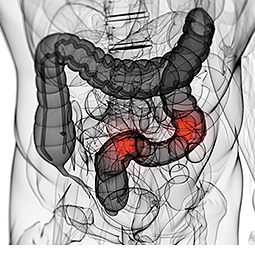
Are your patients getting enough? Why it matters and how you can help. By James Meschino, DC, MS Over the past 25 to 30 years, studies have suggested calcium may confer protection against colorectal cancer. Animal studies have shown this effect, and many epidemiological studies have shown a strong correlation between higher calcium intake and lower incidence of colorectal cancer. The health consequences of low D and the benefits of supplementation. By Kristen Bobik, DC, DABCA Much research has been done on vitamin D levels and their impact on health; optimal levels have been correlated with a reduced risk of developing numerous conditions. Those most relevant to the chiropractic practice include osteoporosis, cancer, depression, and pregnancy. Other Recent Nutritional Articles
 |
Nutritional Wellness News Update:

Other Alternative Health Sites
Toyour Health
ChiroWeb
ChiroFind
Dynamic Chiropractic
DC Practice Insights
Acupuncture Today
Massage Today
Naturopathy Digest
Chiropractic Research Review
Spa Therapy
|